February 22nd, 2:00pm UTC / 9.00am EST
Learn from our experts
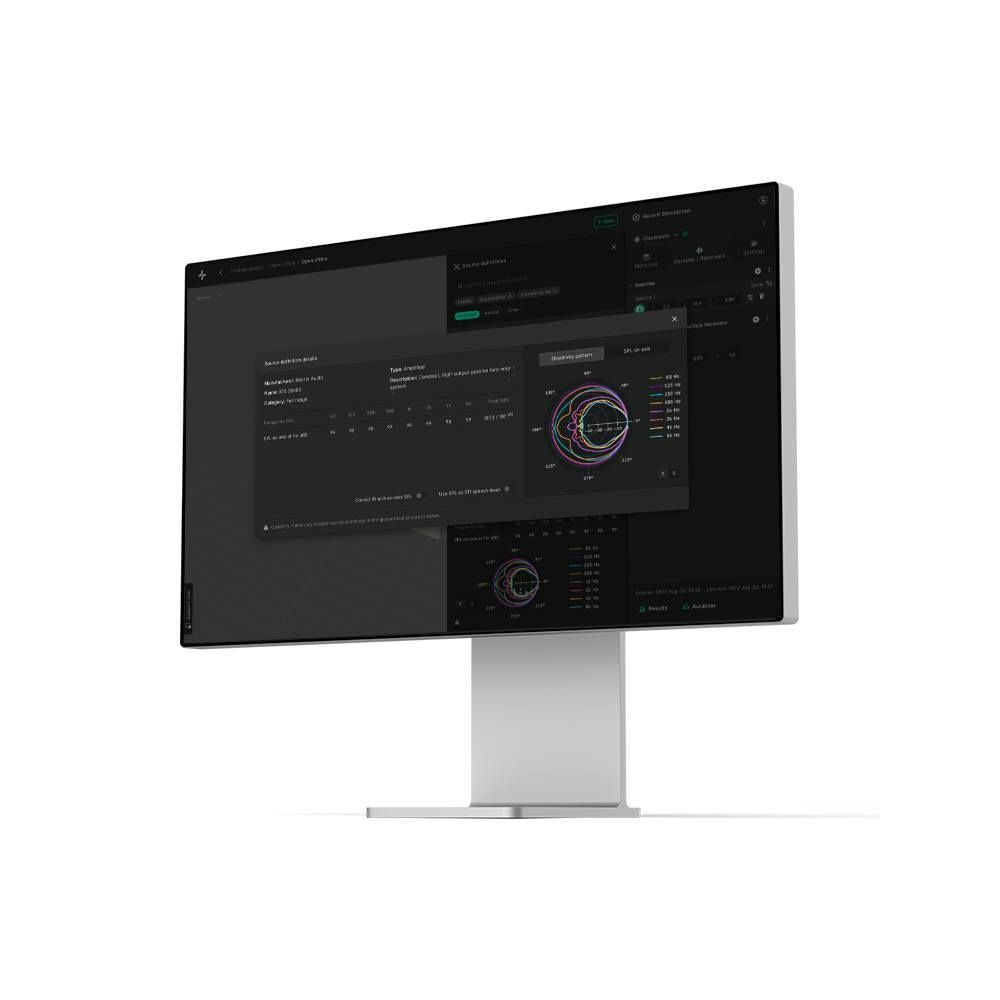
Ingvar will guide you through the workflow of importing your own source definitions into your geometries for loudspeaker modeling. This is a live interactive webinar where you will be able to ask any questions you may have. Amongst other things, Ingvar will show:
- Importing CLF files into Treble
- Setting up sources into your geometry
- Directivity patterns, IR, & SPL on-axis
- How to read your results from your advanced simulations
- Listening to your results in the auralizer
Meet our expert
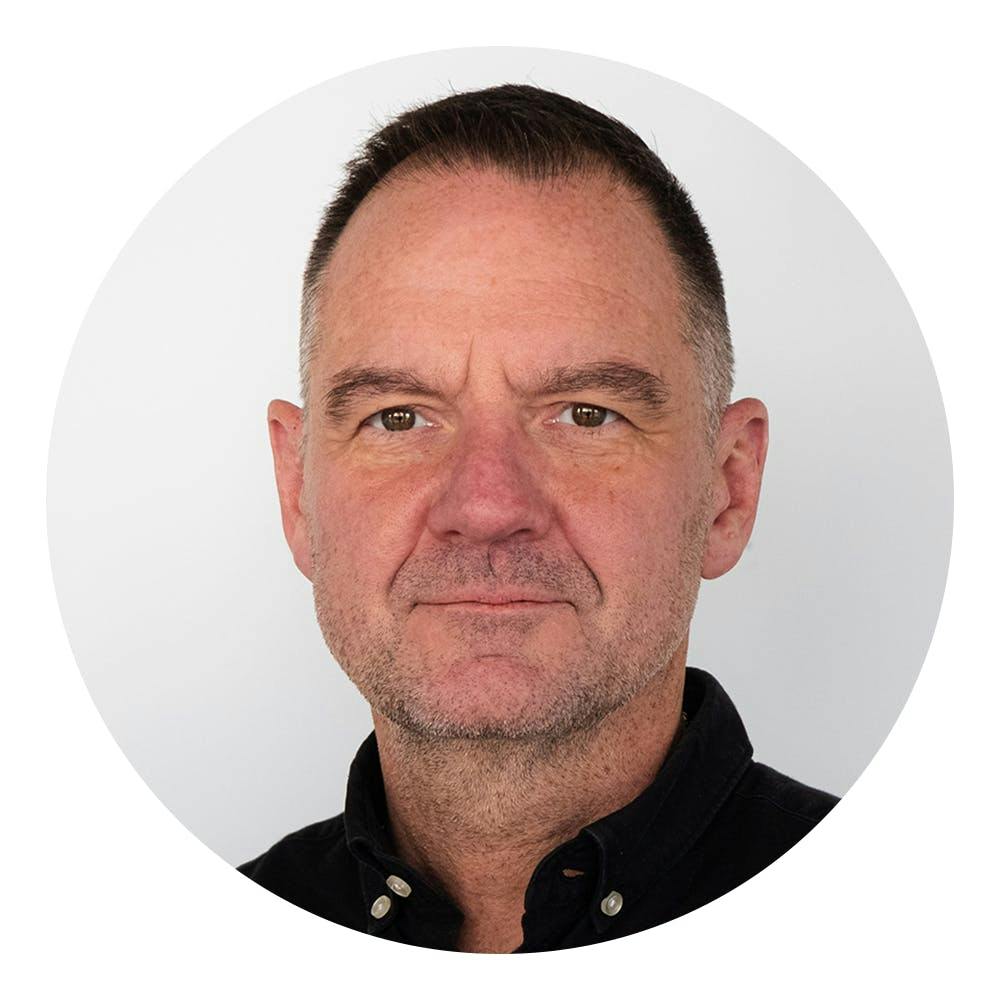
Ingvar Jónsson - Acoustic Engineer at Treble Technologies
Ingvar Jónsson is an Acoustic engineer with experience in room- and electroacoustics, decades of experience in live sound, sound system design both for live events and installations, as well as significant experience in acoustical measurements.
Recent posts
At CES we will present the Treble SDK, our cloud based programmatic interface for advanced acoustic simulation. The SDK enables high fidelity synthetic audio data generation, scalable evaluation of audio ML models and virtual prototyping of audio products. Visit us in Las Vegas from January 6-9, 2026 at booth 21641.
Studio Sound Service authorized reseller of Treble in Italy
Through this partnership, Treble and Studio Sound Service are bringing next-generation acoustic simulation and sound design solutions to professionals across the country. With its deep expertise and strong reputation in pro audio, Studio Sound Service is the perfect partner to expand the reach of Treble’s cutting-edge technology, empowering acousticians and sound engineers to design better-sounding buildings and venues.
Treble and Hugging Face Collaborate to Advance Audio ML
Treble Technologies and Hugging Face have partnered to make physically accurate acoustic simulation data openly accessible to the global research community.
As part of this collaboration, we are releasing the Treble10 dataset, a new open dataset containing broadband room impulse responses (RIRs) and speech-convolved acoustic scenes from ten distinct furnished rooms. The dataset is now freely available on the Hugging Face Hub for non-commercial research.
This collaboration aims to lower the barrier to entry for audio and speech machine learning research by providing high-quality, physics-based acoustic data that was previously difficult to obtain or reproduce.